
Furniture value engineering: how to reduce the budget without losing the design
A piece of furniture is made of many details. Changing the right ones saves money, and the client still sees the design they approved.
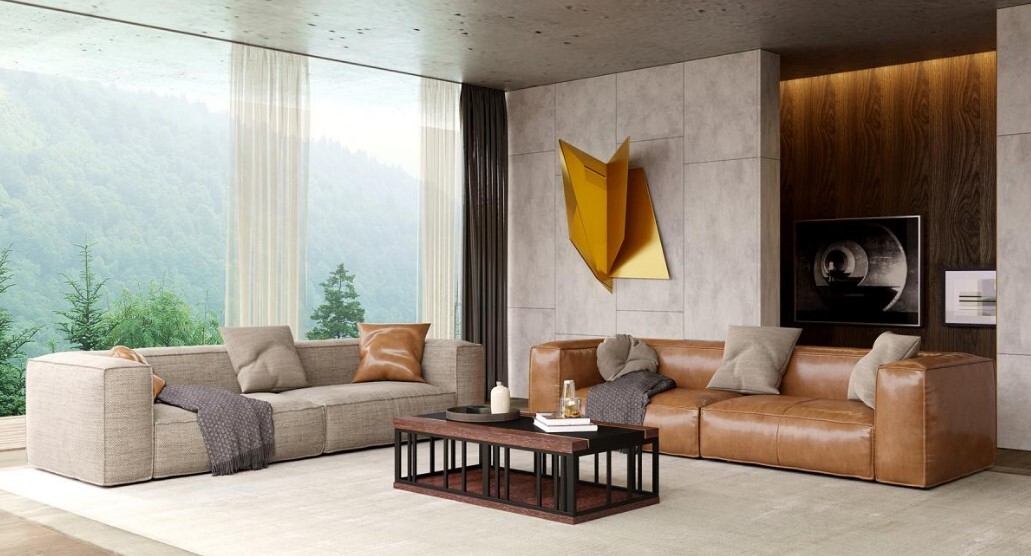
Value engineering reduces the cost of furniture while keeping the design intent and the performance. Furniture is made of many details, and changing a component or a finish can save money without changing what the client sees. The main levers are: the core material behind a visible surface, the finish, the fabric grade, metal parts and hardware, sizes that fit standard sheets, the number of unique items, the factory and country of origin, and the transport mode. Do not save on seating frames, task chairs, fire-rated materials and parts in daily heavy use.
What value engineering is, and what it is not
Value engineering is not removing items from the schedule or choosing cheaper-looking furniture. It is looking at each piece and asking which parts carry the design, which carry the performance, and which can be made differently for less. The client approved a look and a level of comfort. Those stay. The way they are achieved can change.
Where the savings are
| Lever | Example | What stays the same |
|---|---|---|
| Core material | Real wood veneer on a stable board instead of solid wood for large panels | The visible timber and its colour |
| Hidden parts | Simpler material for backs, drawer interiors and inner frames | Everything the client sees and touches |
| Stone and tops | Sintered stone or compact surface instead of natural marble on busy tables | The look of stone, with easier care |
| Metal finishes | Coated or plated finish instead of solid metal on decorative parts | The colour and sheen of the metal |
| Fabrics | A contract fabric of a different grade with the same colour and texture | The colour, the texture, the durability rating needed |
| Hardware | Standard high-quality hardware instead of custom pieces in back-of-house areas | Signature hardware where guests see it |
| Sizes | Dimensions adjusted to standard sheet and fabric widths to cut waste | The proportions of the room |
| Repetition | Fewer unique models, more repeats across rooms or units | The overall concept |
| Origin | The same design made by another factory, in Turkey, China or Europe | The drawing and the finish schedule |
| Transport | Road or sea instead of air; one consolidated shipment | The delivery date, if planned early |
Every alternative is approved on a real sample before it replaces the original.
Where not to save
- Seating frames in restaurants, hotels and offices. A chair that breaks costs more than the saving.
- Task chairs. Used eight hours a day by every person. See how to choose an office chair.
- Fire safety. Fabrics, foams and finishes must still meet the project's fire requirements.
- Moving parts in daily use: hinges, drawer runners, sliding door tracks.
- Outdoor materials. The UAE sun and humidity punish cheap outdoor furniture. See outdoor materials for the UAE climate.
How to do it, step by step
- Start from an itemised quotation. A price for every position, not a lump sum.
- Sort by cost. A small share of the items usually carries a large share of the budget. Start there.
- Split each item into components. Frame, top, veneer, fabric, metal, hardware, packing, freight.
- Propose two or three options per item, with the saving and the effect on lead time.
- Approve on samples, with the designer, so the design intent is protected.
- Update the budget and the schedule in one document, so everyone works from the same numbers.
When to do it
The best time is before production, when changing a material is a line in a drawing. After production starts, every change costs time. If the budget is tight from the start, say so in the brief: options can be built into the first quotation.
A clear budget, style in balance with the price
If the budget has to come down, we find alternatives. Our team are designers, so we look for savings that keep the design: a different component, a different finish, another factory. Every alternative is shown on a sample before anything changes.
Frequently asked questions
What is value engineering in furniture?
Reducing the cost of furniture while keeping the design intent and the performance, by changing components, materials, finishes, sizes, factory or transport rather than removing items.
How much can value engineering save?
It depends on the project and the items. The biggest savings usually come from the most expensive items, from core materials and finishes, and from avoiding air freight.
Will value engineering change how the furniture looks?
It should not. Visible surfaces, colours and proportions stay; alternatives are approved on real samples before production.
Where should I not cut costs on furniture?
Seating frames in commercial spaces, task chairs, fire-rated materials, moving parts in daily use and outdoor materials.
When is the best time to value engineer FF&E?
Before production starts, ideally when the first quotation is prepared. Changes after production starts cost time.
Can DOMA propose alternatives to reduce the budget?
Yes. DOMA proposes alternative components, finishes and factories item by item and shows them on samples.
When something goes wrong on an FF&E project: six common problems and how we solve them
Every interior project has surprises. What matters is how fast they are spotted and who takes them on. Here is what we do in each case.
5 min read
FF&E procurement process: a step-by-step checklist for designers and developers in the UAE
How furniture, lighting, rugs and decor get from an approved design to installed rooms, what slows projects down, and what to look for in an FF&E supplier.
6 min read
How long does furniture take to reach Dubai? Lead times from Turkey, China and Europe
Real lead times from DOMA projects: production, freight and customs for each origin, and how to plan an opening around them.
5 min readNeed the budget to come down?
Send the FF&E schedule or the quotation you have. We come back with alternatives item by item.
+971 58 535 2102
mz@doma.ae · main@doma.ae
The H Office Tower, office 2903-2
1 Sheikh Zayed Road, Dubai
Showroom visits by appointment
