
How to choose an ergonomic office chair: eight checks before you order for a team
A chair is the piece of office furniture people use the most. What to check, which chair goes where, and how to test before ordering for the whole team.
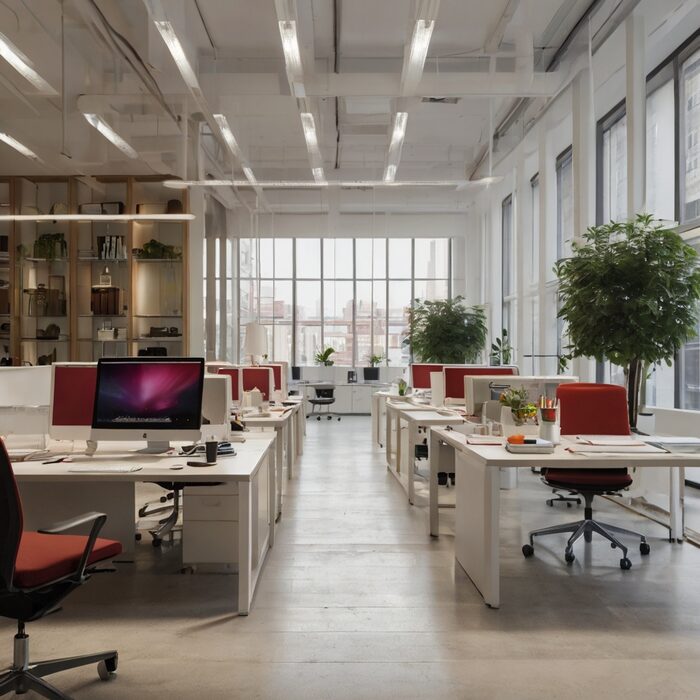
An ergonomic office chair for full-day work adjusts to the person sitting in it. Check eight things: seat height, seat depth, adjustable lumbar support, a synchronous mechanism with tension control and lock, armrests that move in height and width, backrest height or a headrest, castors that suit the floor, and a load rating for the hours of use. Mesh backs stay cooler; upholstered and leather chairs suit executive rooms. Ask for test certificates (EN 1335, BIFMA X5.1) and sit on a sample for at least 20 minutes before ordering for a team.
Eight checks for a full-day chair
- Seat height. Feet flat on the floor, thighs roughly horizontal, elbows level with the desk. Most fixed desks are about 72–75 cm high. Check that the height range fits the shortest and the tallest person on the team.
- Seat depth. A sliding seat lets each person leave a gap of about three fingers between the seat edge and the back of the knee.
- Lumbar support. Support in the lower back that moves up and down, or in and out, to fit the curve of the spine.
- Mechanism. A synchronous mechanism tilts the seat and backrest together in a set ratio, so the feet stay on the floor when leaning back. Look for tension control to match the body weight and a lock in several positions.
- Armrests. At least height and width adjustment (often called 2D). 3D and 4D armrests also move forward and back and rotate. Armrests should let the shoulders relax and slide under the desk.
- Backrest height and headrest. A high back or a headrest helps people who lean back for calls and reading.
- Base and castors. A five-star base with castors for the floor: soft castors for stone, tiles and wood, hard castors for carpet.
- Load and hours of use. Check the rated user weight and whether the chair is made for 8-hour or 24-hour use, for control rooms and shift work.
Mesh, fabric or leather?
| Mesh back | Fabric | Leather | |
|---|---|---|---|
| Feel | Breathes, stays cool | Soft, warmer | Firm, warm in summer, cool under AC |
| Look | Technical, light | Any colour, matches the interior | Classic, formal |
| Care | Vacuum the mesh | Contract fabric, stain-resistant finish | Wipe and condition |
| Best for | Open-plan task chairs | Task and meeting chairs in brand colours | Executive offices and boardrooms |
Which chair goes where
| Role | Chair | What matters |
|---|---|---|
| Full-day desk work | Task chair | All eight checks above |
| Executive offices | High-back executive chair | Synchronous mechanism, upholstery or leather, matching visitor chairs |
| Meeting rooms | Meeting chair | Simpler adjustment, comfortable for 1–2 hours, one look around the table |
| Training and flexible rooms | Stackable or nesting chair | Light, quick to clear away |
| Reception and lounges | Lounge chairs and sofas | Contract upholstery, easy to clean |
| Pantry and high tables | Stools | About 25–30 cm between the seat and the table top |
Standards to ask for
- EN 1335 — the European standard for office work chairs: dimensions, adjustment ranges and safety.
- BIFMA X5.1 — the American standard for the safety and durability of general-purpose office chairs.
- Fire safety of upholstery — requirements depend on the building and the client. Share them with the brief.
Ask the supplier for the test certificates of the exact model, not of the brand in general.
Test before you order for a team
- Order one or two samples and sit on them for at least 20 minutes at a real desk.
- Let the shortest and the tallest person on the team try them.
- Check that every lever can be reached while sitting.
- Show people how to adjust their chair on the first day. Many complaints come from chairs that were never adjusted.
Looking after chairs in the UAE
- Vacuum mesh and fabric regularly: air conditioning moves a lot of dust.
- Keep fabric and leather away from direct sun at the glass facade, which fades colours.
- Check castors and gas lifts once a year and replace worn castors before they mark the floor.
Nurus and Koleksiyon chairs
DOMA supplies office chairs from Nurus (Me Too, T-Mec, Mou, Air, Uneo, Waves, Spring) and Koleksiyon (such as Halia), from task and meeting chairs to executive and lounge seating. Many models are in stock. Tell us the roles and quantities, and we come back with options, prices and dates.
Frequently asked questions
What makes an office chair ergonomic?
It adjusts to the person: seat height and depth, lumbar support, a synchronous mechanism with tension control, adjustable armrests, and a backrest high enough for the user's back.
Is a mesh office chair better than an upholstered one?
A mesh back stays cooler and suits open-plan task chairs. Upholstered chairs come in any colour and suit meeting rooms; leather suits executive offices.
How high should an office chair be?
The seat should let the feet rest flat on the floor with the thighs roughly horizontal and the elbows level with the desk. Most fixed desks are about 72–75 cm high.
Which castors are best for marble or tiled floors?
Soft castors for hard floors such as marble, tiles and wood; hard castors for carpet.
What standards should an office chair meet?
Ask for test certificates to EN 1335 (European office work chairs) or BIFMA X5.1 (American safety and durability standard) for the exact model.
Can I test office chairs before ordering?
Yes. Ask for one or two samples, sit on them for at least 20 minutes at a real desk and let the shortest and tallest people on the team try them.
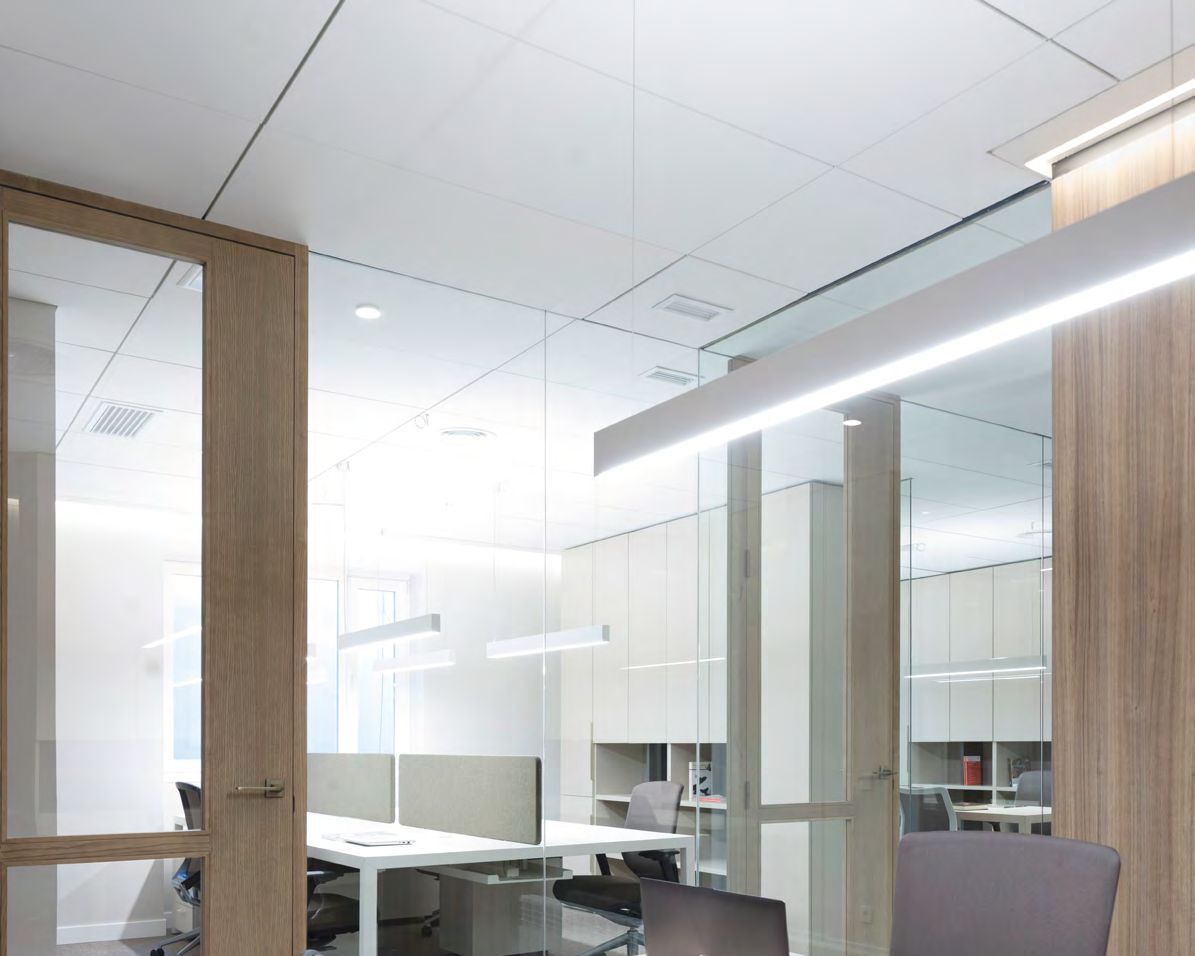
How to furnish an office in Dubai: checklist and timeline to move-in
For managers, office administrators, designers and fit-out contractors: what to decide first, when to order and how to keep the move-in date.
5 min read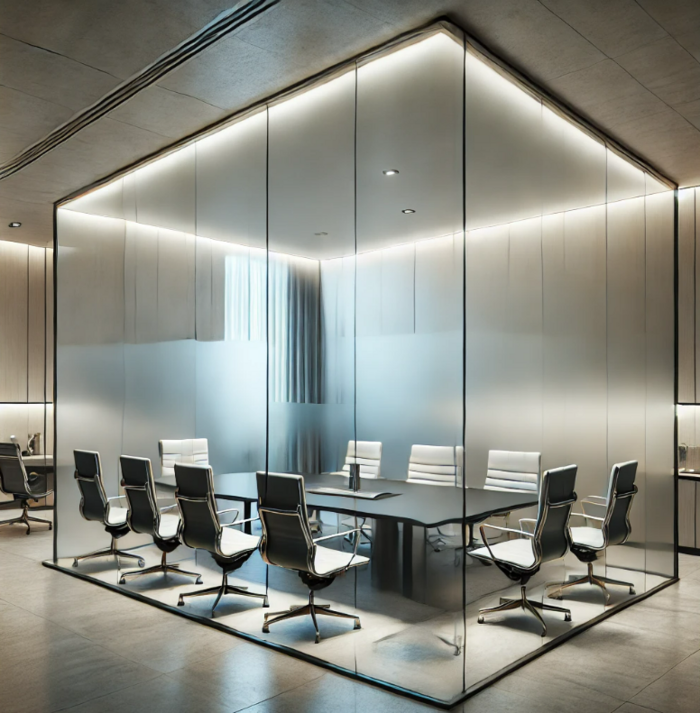
Smart glass for offices: how switchable glass works, where to use it and what drives the cost
Glass walls keep an office bright. Smart glass adds privacy at the press of a switch. How it works, what to plan with the fit-out and how to compare it with blinds and frosted film.
4 min read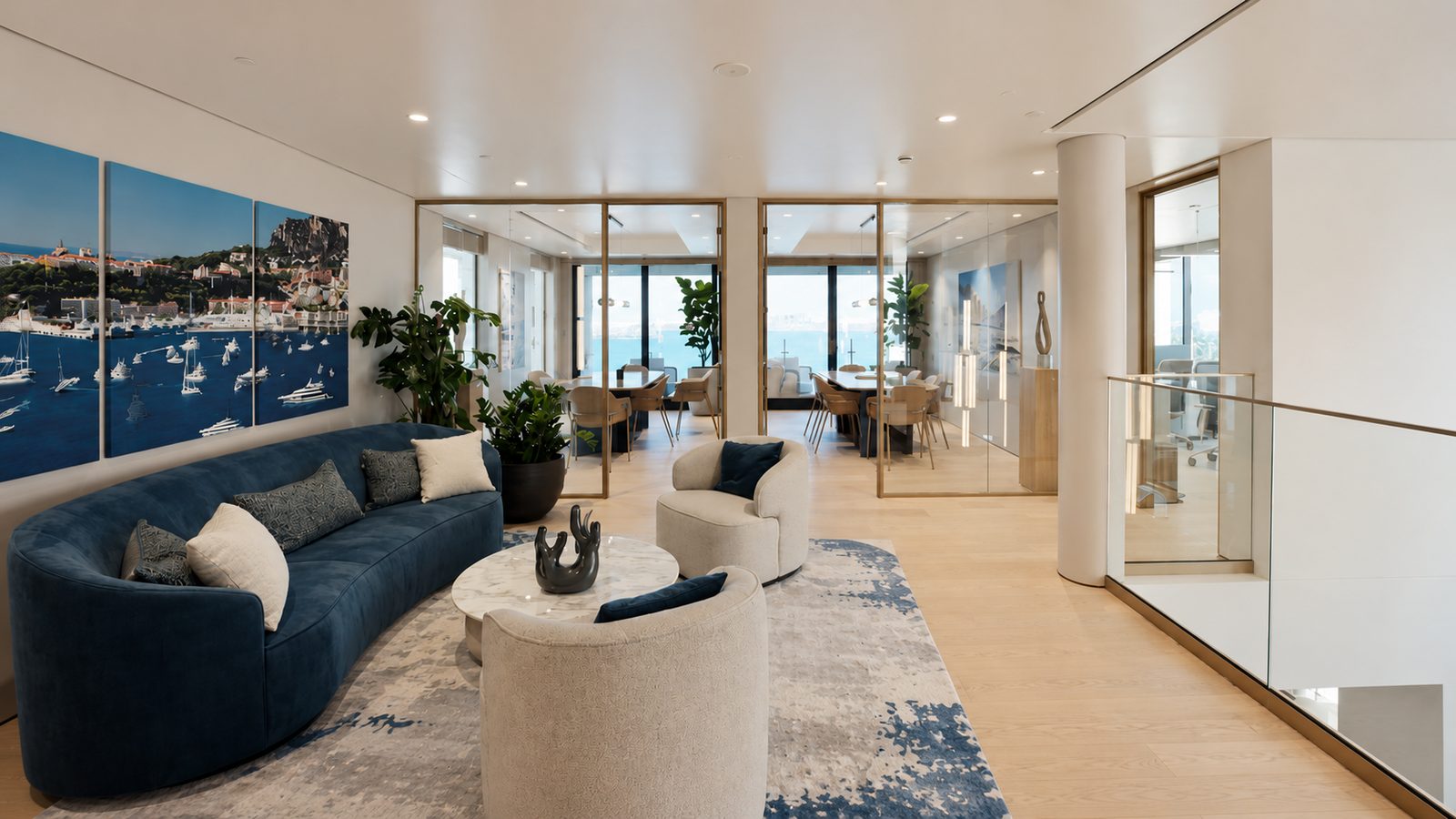
FF&E procurement process: a step-by-step checklist for designers and developers in the UAE
How furniture, lighting, rugs and decor get from an approved design to installed rooms, what slows projects down, and what to look for in an FF&E supplier.
6 min readChoosing chairs for a team?
Tell us how many people, which roles and your budget. We come back with options from Nurus and Koleksiyon, prices and dates.
+971 58 535 2102
mz@doma.ae · main@doma.ae
The H Office Tower, office 2903-2
1 Sheikh Zayed Road, Dubai
Showroom visits by appointment
