
FF&E procurement process: a step-by-step checklist for designers and developers in the UAE
How furniture, lighting, rugs and decor get from an approved design to installed rooms, what slows projects down, and what to look for in an FF&E supplier.
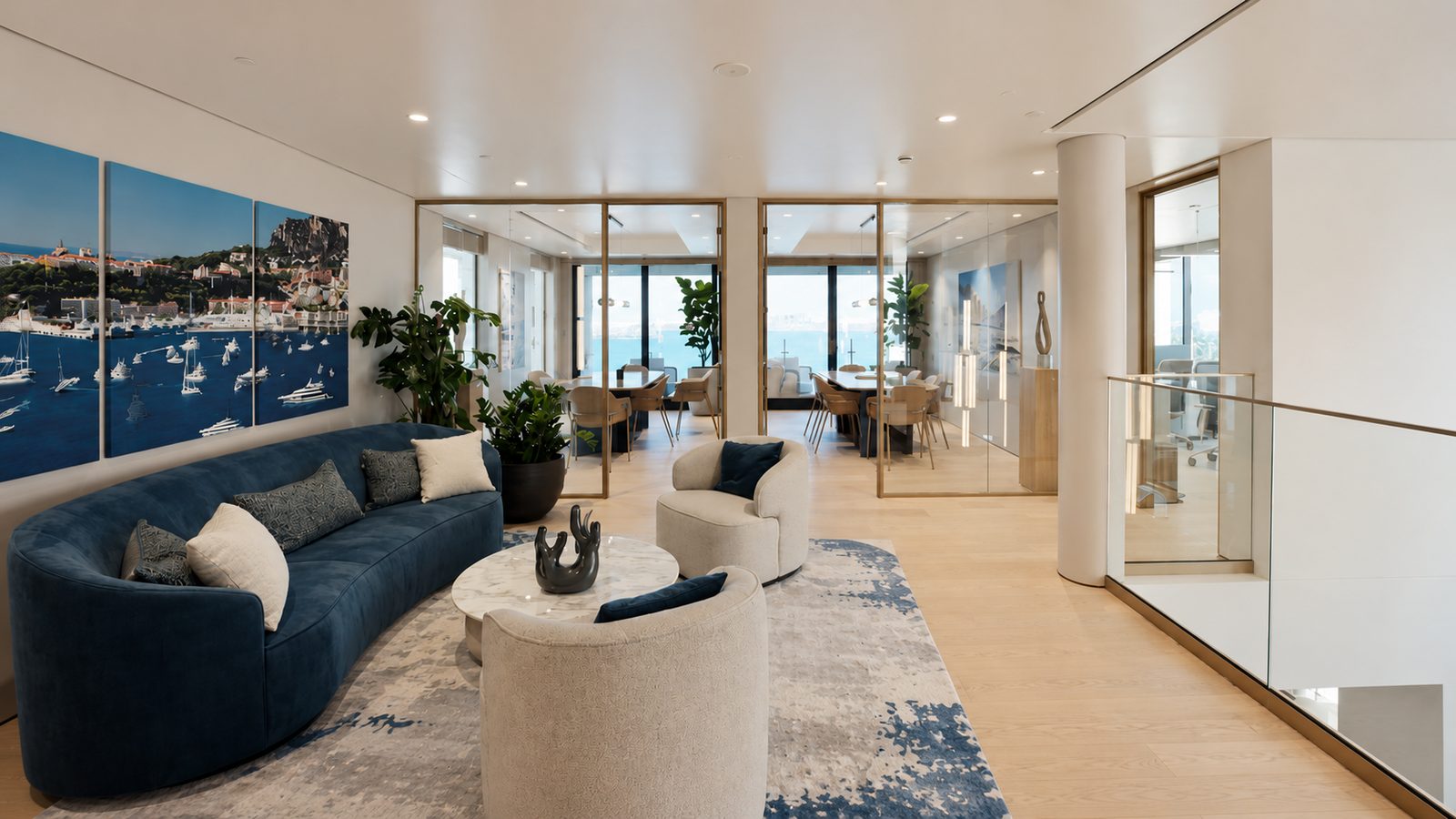
FF&E procurement is the work of budgeting, sourcing, ordering, shipping and installing the furniture, fixtures and equipment of an interior. In the UAE it starts with a complete FF&E schedule and ends with installed rooms. The total time depends on where each item is made. Custom furniture takes about 40 days of production plus about 10 days of delivery to Dubai. Furniture made in China takes 50–60 days of production plus about 30 days at sea. Bespoke rugs take about 20 days plus 3–10 days of transport. To hold the opening date, lock the long-lead items first, approve samples before production and plan deliveries around the handover date.
What FF&E covers, and what it does not
FF&E stands for furniture, fixtures and equipment: everything movable or loose that turns a finished shell into a working interior. On a typical residential, hospitality or office project, the FF&E schedule includes:
- Loose and custom furniture: sofas, chairs, tables, beds, cabinets, reception desks, banquettes.
- Decorative and architectural lighting, where the lighting package is not part of the electrical contract.
- Rugs and carpets, curtains and blinds, upholstery fabrics, cushions and bedding.
- Outdoor furniture for terraces, pool decks and gardens.
- Decor and accessories: mirrors, artwork, planters, vases.
- Architectural hardware such as door handles and pulls, when the designer specifies them within the FF&E package.
FF&E is not the fit-out. Walls, floors, ceilings, joinery built into the building and MEP works belong to the fit-out contractor. In hotels, operating supplies such as linen, crockery and cleaning equipment are usually budgeted separately as OS&E. Keeping these lines clear from the start avoids gaps and double pricing between contractors.
The FF&E procurement process in 8 steps
- FF&E schedule and drawings. Every item gets a code, a room, a quantity, dimensions and a finish reference. If the schedule is not ready, a good supplier can help build it from the design.
- Itemised quotation and budget. A price and a lead time for each line, plus the project total, so the client approves a clear budget before anything is ordered.
- Options and value engineering. Where an item is over budget or too slow, the supplier proposes alternatives that keep the look: a different factory, a standard base with a custom top, an in-stock model.
- Samples and approvals. Fabrics, finishes, yarns, wood and metal samples are approved by the designer and the client. Shop drawings are signed for custom pieces.
- Orders and production. Purchase orders go to the factories. The supplier follows production and reports dates, not just intentions.
- Quality control before dispatch. Photos or an inspection against the approved drawings and samples, before goods leave the factory.
- Shipping, customs and storage. Road, sea or air freight, UAE customs clearance, and storage if the site is not ready.
- Delivery, installation and snagging. Deliveries sequenced by floor or area, assembly, installation and a final snag list.
What to send a supplier for an accurate quotation
Quotations are only as accurate as the brief. Send these with the first enquiry and you will get firm prices and real lead times instead of estimates:
- The FF&E schedule or BOQ with codes and quantities.
- Drawings or elevations of custom pieces, and images of the references you have in mind.
- The finish schedule: fabric, timber, metal and stone references.
- Site location, access limits and whether there is a goods lift.
- The target handover or opening date.
- A budget range, even an approximate one. It tells the supplier which factories to price.
- For hotels and restaurants: operator standards and the fire-rating requirements for upholstery, curtains and foams.
Plan backwards from the opening date
The opening date is fixed; everything else has to move around it. Work out when each group of items must be ordered by adding production, transport and a margin for approvals and customs. The figures below are typical for DOMA projects. Exact dates for every item are confirmed in the quotation.
| Item | Typical lead time to Dubai | Order no later than |
|---|---|---|
| Furniture made in China | 50–60 days of production plus about 30 days of shipping | About 4 months before installation |
| Custom furniture made to drawings | About 40 days of production plus about 10 days of delivery | About 10–12 weeks before installation |
| Bespoke rugs | About 20 days of production, then 3–5 days by air or about 10 days by road | About 6–8 weeks before installation, design and colours included |
| Lighting from Europe | Production confirmed by the factory, then up to 5 days by air | As soon as the lighting layout is approved |
| Outdoor furniture in stock (SNOC) | About 2 weeks from Istanbul by road, customs included | About 4 weeks before installation |
The column on the right includes time for sample approvals and customs clearance. It does not include design changes after the order is placed, which are the most common reason projects slip.
Seven mistakes that delay openings
- Late sample approvals. Every week a sample waits for a decision is a week lost in production. Approve samples in one sitting, with the designer and the client together.
- Ordering before site dimensions are checked. Banquettes, wardrobes and wall-to-wall rugs must be measured on site after the walls and floors are finished.
- One supplier per category. Ten suppliers mean ten delivery dates, ten contacts and ten invoices. Coordination becomes the designer's full-time job.
- Air freight as the rescue plan. Flying furniture costs many times more than road or sea freight and can wipe out the saving of buying direct. Keep air for small, urgent items such as lighting or a rug.
- Deliveries before the site is ready. Furniture delivered into dust and wet paint gets damaged. Agree a storage plan and deliver after the deep clean.
- No spares. Order a few extra chairs, fabric and finishes for high-traffic areas, so a damaged piece does not need a new production run.
- Ignoring quote validity. Prices depend on factory currencies and freight rates. Quotations priced in volatile currencies stay valid for a shorter time, so approve promptly.
How to choose an FF&E supplier in the UAE
Ask these questions before you hand over a schedule:
- Do you buy directly from the factories? Every reseller in the chain adds a margin and a delay.
- Will I get an itemised quotation? One line per item, with a lead time per item, not a lump sum.
- Where can we see samples? A showroom with fabrics, finishes and yarns saves weeks of couriered samples.
- Who handles customs, delivery and installation? The answer should be one company, not three.
- Which projects have you completed? Ask for photos of delivered interiors, not catalogue images.
- Who is my contact? One person who knows where every item is, from order to handover.
Design has two parts: the creative and the work
The creative part belongs to the designer. The work is ours: sourcing, prices, samples, orders, production follow-up, shipping, customs, delivery and installation. DOMA supplies the full FF&E schedule from one source, directly from manufacturers across Europe, Turkey, China and Azerbaijan, for projects in Dubai, Abu Dhabi, all Emirates and the GCC.
Don't spend time visiting multiple suppliers. Concentrate on the work. We will take care of everything else.
Frequently asked questions
What does FF&E stand for?
FF&E stands for furniture, fixtures and equipment: the loose furniture, lighting, rugs, curtains, decor and accessories that complete an interior after construction.
How long does FF&E procurement take in Dubai?
It depends on where items are made. Custom furniture takes about 40 days of production plus about 10 days of delivery to Dubai. Furniture made in China takes 50–60 days of production plus about 30 days of shipping. Bespoke rugs take about 20 days plus 3–10 days of transport. Add time for sample approvals and customs clearance.
What is the difference between FF&E and fit-out?
Fit-out covers the built elements: walls, floors, ceilings, built-in joinery and MEP works. FF&E covers the movable items: furniture, lighting, rugs, curtains, decor and accessories. They are usually priced and contracted separately.
Can a supplier quote before the design is final?
Yes. A supplier can price an early FF&E schedule to set the budget, then update the quotation as finishes and quantities are confirmed. Orders are placed only after final approval.
Who is responsible for customs clearance?
When you buy through a UAE supplier such as DOMA, the supplier ships, clears customs and delivers to site. You receive goods in the UAE, not a container at the port.
Does DOMA work outside Dubai?
Yes. DOMA supplies projects in Dubai, Abu Dhabi and all Emirates, and across the GCC.
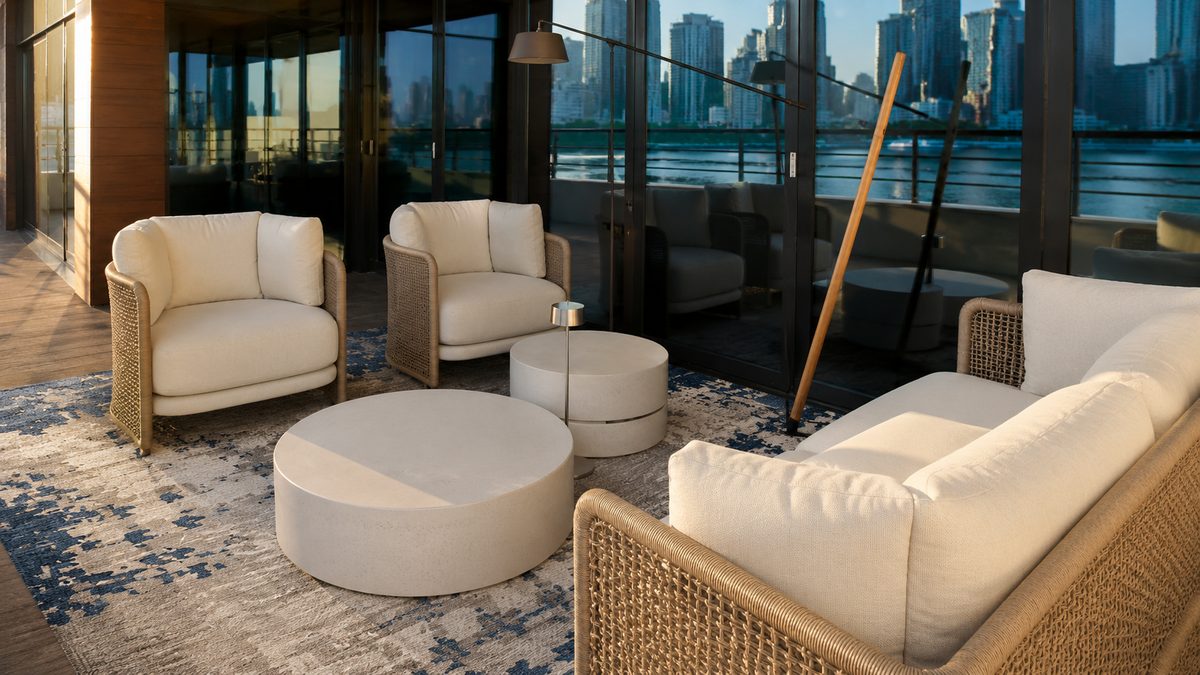
How long does furniture take to reach Dubai? Lead times from Turkey, China and Europe
Real lead times from DOMA projects: production, freight and customs for each origin, and how to plan an opening around them.
5 min read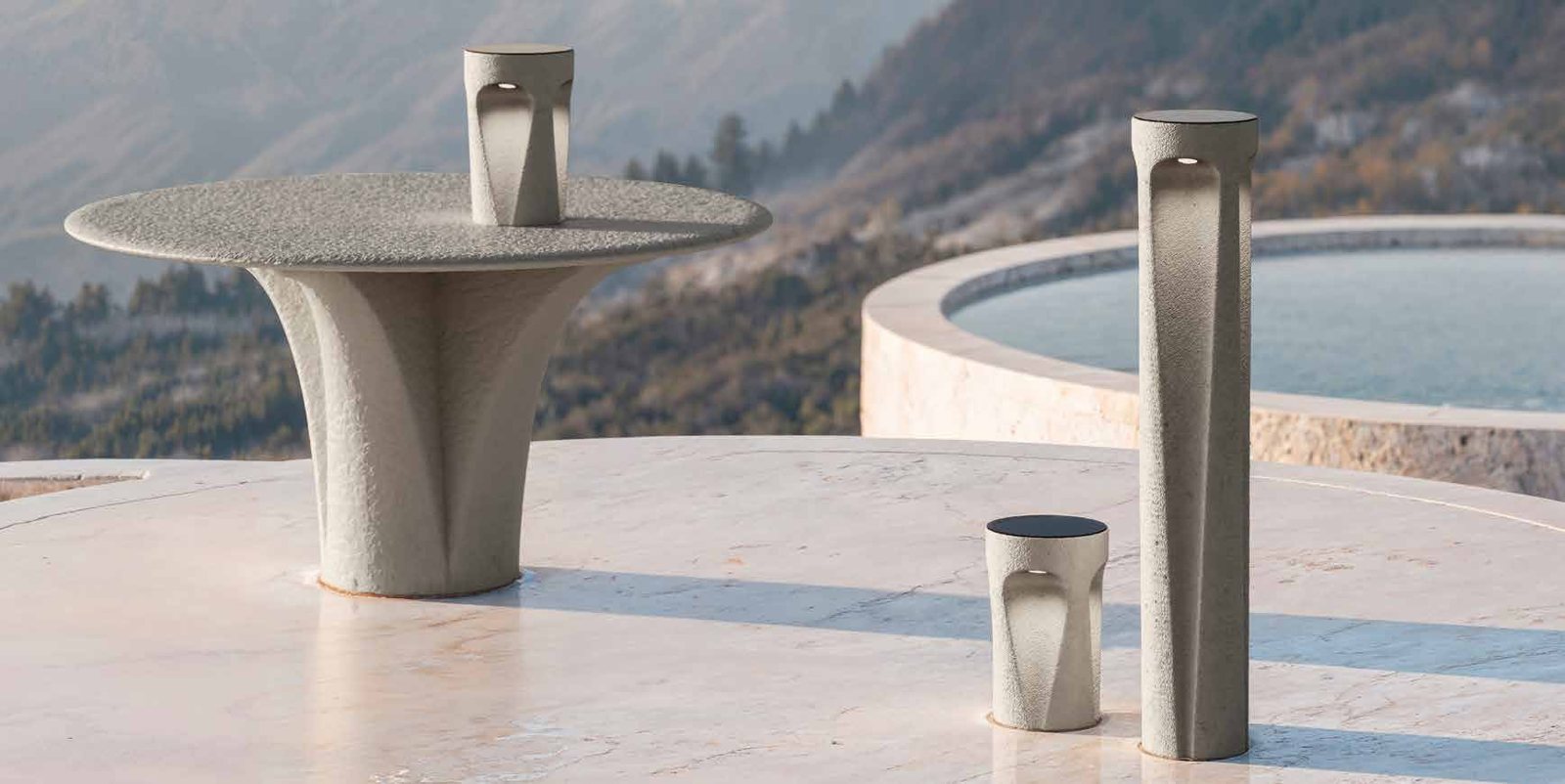
How to furnish a restaurant or café in Dubai and open on time
A practical guide for owners, operators and designers: when to order, what makes furniture commercial-grade, and where the budget matters most.
4 min read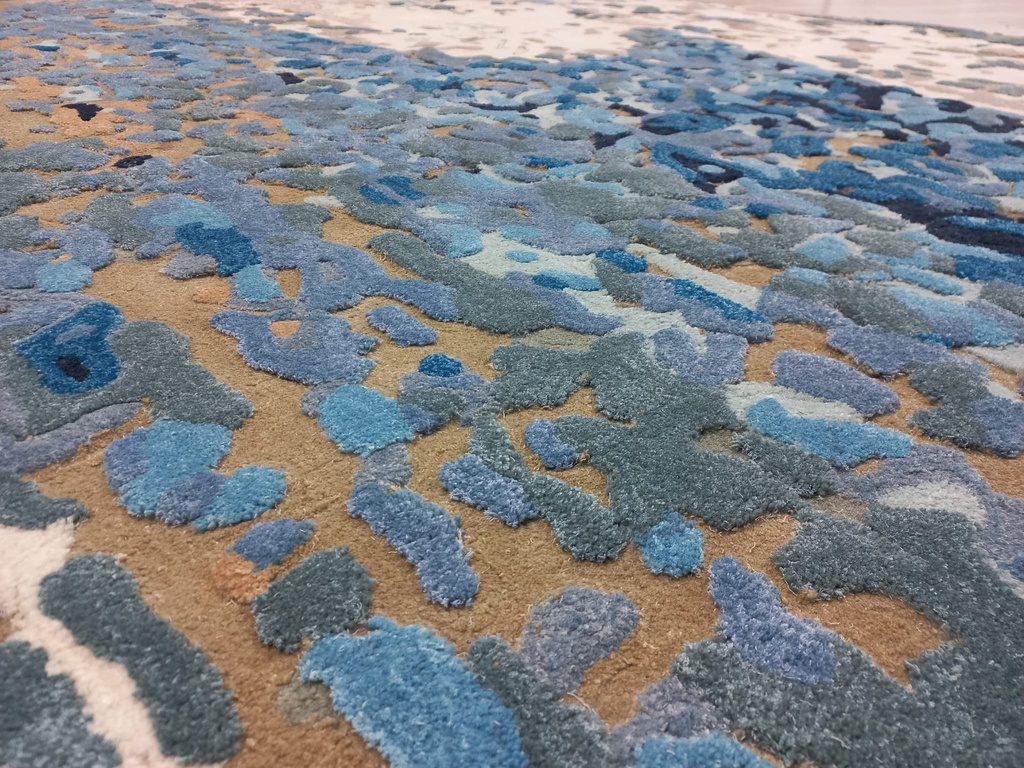
How a bespoke rug is made: process, materials, price factors and lead time
From the first drawing to the rug on the floor: materials, sizes, timing and care, explained for designers, developers and homeowners.
5 min readSend us your FF&E schedule
We come back with an itemised budget, lead times for every item and options, and take the project from order to installation.
+971 58 535 2102
mz@doma.ae · main@doma.ae
The H Office Tower, office 2903-2
1 Sheikh Zayed Road, Dubai
Showroom visits by appointment
